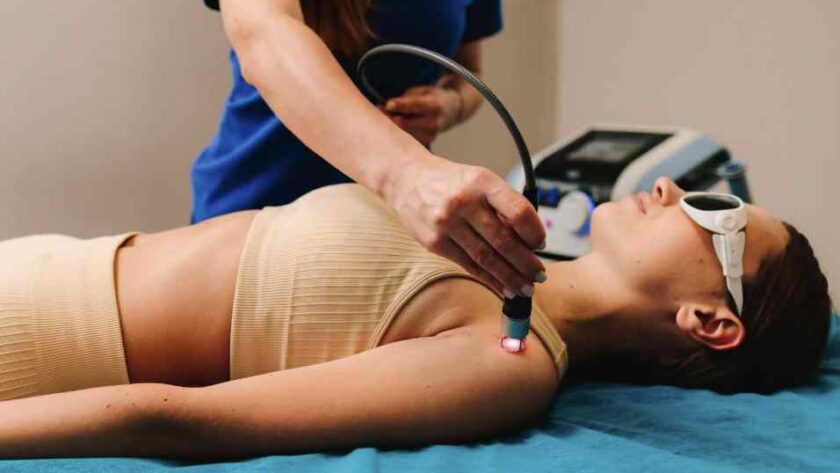
Living with persistent joint discomfort, knee stiffness, or tendon pain can make everyday movements feel exhausting. When basic rest, physical therapy, or over-the-counter pain relievers fail to provide lasting comfort, many people begin looking for non-surgical alternatives that support long-term tissue repair rather than just masking symptoms.
Platelet-rich plasma (PRP) therapy has emerged as one of the most widely discussed options in regenerative health. This guide breaks down what PRP therapy actually is, how the procedure works, what to expect during recovery, and practical steps to prepare for the best possible outcome.
What Is Platelet-Rich Plasma (PRP) Therapy?
Your blood is made up of several key components: liquid plasma, red blood cells, white blood cells, and platelets. While platelets are best known for helping blood clot after a cut, they also contain hundreds of specialized proteins known as growth factors. These growth factors play a primary role in signaling the body to repair damaged tissues, recruit fresh repair cells, and regulate localized inflammation.
In PRP therapy, a small sample of your own blood is processed to separate and concentrate those healing platelets into a high-density liquid. When injected into an injured joint or tendon, this concentrated solution delivers a powerful boost of natural repair signals directly to tissues that typically suffer from poor blood circulation.
Common Conditions Addressed by PRP
- Osteoarthritis: Chronic wear-and-tear in knees, hips, or shoulders.
- Tendon Injuries: Tennis elbow, Achilles tendinitis, or rotator cuff strain.
- Ligament Sprains: Chronic joint instability in ankles or knees.
- Plantars Fasciitis: Persistent heel pain resistant to stretching exercises.
The Step-by-Step PRP Procedure Explained
Understanding what happens during an appointment can help eliminate anxiety and make the process straightforward. A standard PRP session generally takes between 45 and 60 minutes from start to finish.
Step 1: Simple Blood Draw
The procedure begins just like a standard routine blood test. A small amount of blood—usually between 10 to 30 milliliters—is drawn from your arm into a sterile tube.
Step 2: Centrifugation (Separation)
The blood sample is placed inside a device called a centrifuge. The machine spins the sample at high speeds for 10 to 15 minutes. This spinning force relies on gravity to separate the blood into distinct layers:
- Heavy red blood cells sink to the bottom.
- Clear liquid plasma stays at the top.
- A concentrated layer rich in platelets collects in the middle.
The practitioner extracts this platelet-rich layer, preparing it for target injection.
Step 3: Targeted Injection
The practitioner cleans the injection area and may apply a local numbing agent to ensure comfort. Using real-time ultrasound guidance, the concentrated PRP solution is injected directly into the damaged tendon, ligament, or joint space to ensure precise placement.
How to Prepare Before Your Appointment
Proper preparation before a PRP injection can significantly impact the quality of the plasma sample and the body’s natural response.
- Discontinue Anti-Inflammatory Medications: Because PRP relies on a brief, natural inflammatory response to kickstart tissue repair, anti-inflammatory drugs can reduce its effectiveness. Clinical guidelines published by Lifestyle Pain Management emphasize pausing non-steroidal anti-inflammatory drugs (NSAIDs) like ibuprofen, naproxen, or aspirin for at least five to seven days before and after treatment unless otherwise directed by a physician.
- Hydrate Thoroughly: Drinking plenty of water for 24 to 48 hours prior to your visit increases blood volume and makes the blood draw easier.
- Eat Balanced Meals: Nutrient-dense foods, particularly leafy greens and protein-rich items, support healthy cellular production ahead of the procedure.
- Avoid Tobacco and Alcohol: Smoking reduces blood circulation and alters cellular repair mechanisms, which can impair overall healing outcomes.
Recovery and Post-Treatment Expectations
Unlike invasive surgical options, PRP therapy requires minimal downtime, allowing most individuals to return to basic daily activities right away. However, setting realistic expectations is crucial for a smooth recovery.
What Is Normal After Treatment?
- Mild Swelling and Soreness: It is common to experience localized tightness, aching, or mild swelling at the injection site for 2 to 5 days. This is a sign that the body’s healing cascade has been triggered.
- Gradual Improvement: PRP is not an immediate painkiller. Because it works by stimulating physical tissue repair, initial structural improvements typically begin appearing within 3 to 6 weeks, with continued gains over several months.
Post-Procedure Guidelines
- Rest the Area: Avoid strenuous exercise or heavy lifting involving the treated joint for at least 48 to 72 hours.
- Use Ice for Acute Discomfort: If the area feels sore, applying an ice pack wrapped in a cloth for 10 to 15 minutes at a time can ease surface tightness without blocking deep healing.
- Follow Physical Therapy Protocols: Gentle stretching or guided physical therapy exercises recommended by a health professional will help align newly forming collagen fibers properly.
Key Takeaways
Platelet-rich plasma therapy offers a targeted, minimally invasive path for individuals looking to support natural joint and tissue health. By leveraging your body’s inherent repair mechanics, PRP provides a practical avenue for long-term functional improvement without relying on continuous medication or immediate surgery. Discussing your health history with a qualified healthcare provider will help determine if PRP is the right step for your specific needs.