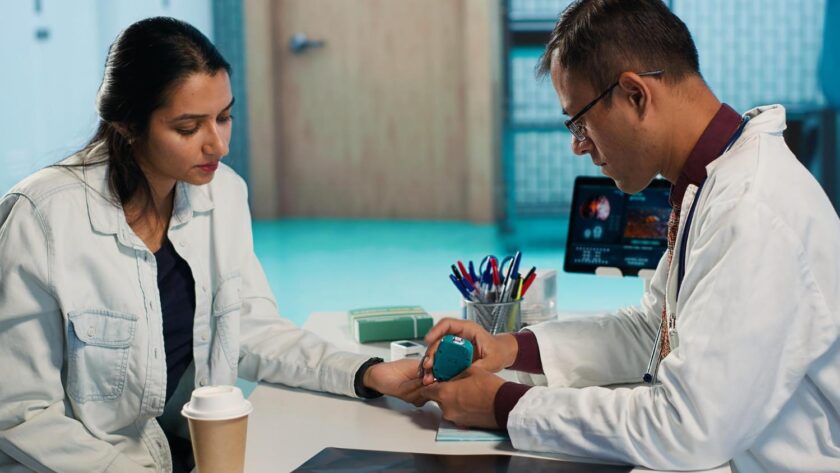
The landscape of healthcare has undergone a dramatic transformation, thanks to the cutting-edge advancements in medical equipment. These technologies, ranging from state-of-the-art imaging devices to specialised supports such as the patient positioner, have fundamentally shifted the dynamics of patient care. They offer healthcare professionals the tools they need to make precise, life-saving decisions. This evolution in medical technology not only streamlines diagnostic processes but also significantly enhances the accuracy of diagnoses.
By delving into the critical importance of these modern technologies, this blog aims to shed light on how they are reshaping diagnostics and, consequently, improving patient outcomes on a global scale.
The Role of Medical Equipment in Improving Diagnostic Accuracy
-
Enhanced Imaging Capabilities: Seeing Beyond the Surface
Imaging technologies, such as MRI scanners and CT machines, have drastically improved diagnostic accuracy. These pieces of medical equipment allow healthcare professionals to view internal structures with exceptional clarity. For example, MRI scans can pinpoint abnormalities in soft tissues, while CT scans offer detailed insights into bone injuries and organ damage. Paired with tools like the patient positioner, which ensures patients remain stationary during imaging, the results are more reliable and accurate. A 2021 study revealed that advanced imaging equipment reduces diagnostic errors by nearly 30%—a testament to its importance in modern medicine.
-
Precision-Focused Equipment in Laboratory Diagnostics
Diagnostic labs rely heavily on automated medical equipment to test for diseases with remarkable accuracy. Advanced machines, such as blood analysers and PCR testing systems, play a crucial role in identifying infections, genetic disorders, and metabolic conditions. Not only do they process results faster than manual testing, but their precision ensures minimised false positives or negatives. Combined with ergonomic aids like the positioner during blood draws, testing leads to faster results and fewer patient complications.
-
Streamlining Point-of-Care Diagnostics
Portable medical equipment, such as handheld ultrasound devices and mobile X-ray, has brought diagnostics closer to the patient. These tools allow for immediate diagnostic evaluations, especially in emergency settings. For instance, handheld ultrasounds improve efficiency in rural areas or during disaster relief operations. The integration of compact patient positioners ensures patients can remain comfortable and stable as diagnoses are carried out, further enhancing the reliability of results.
-
Empowering Accuracy in Surgical Environments
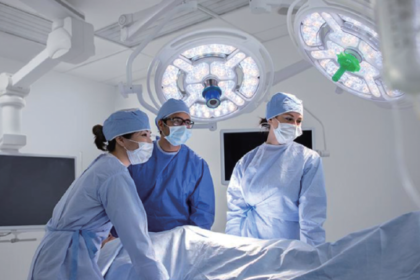
Surgical precision begins with diagnostics. Equipment like arthroscopes, endoscopy devices, and intraoperative imaging tools allow specialists to confirm conditions in real time before proceeding with surgeries. With the help of aids like the patient positioner, surgeons can accurately target affected areas, improving success rates and patient recovery outcomes. A survey among healthcare providers showed using the right positioning equipment improves procedural accuracy by up to 24%.
Conclusion: Building a Future of Trust in Diagnostics
Modern medical equipment plays an irreplaceable role in improving patient outcomes through precise and efficient diagnostics. Tools like imaging machines, laboratory analysers, and surgical aids work hand in hand with innovations like the patient positioner to provide reliable, consistent results. Research and development will continue to push boundaries, ushering in a future where healthcare professionals can diagnose and treat with confidence—one innovation at a time.