
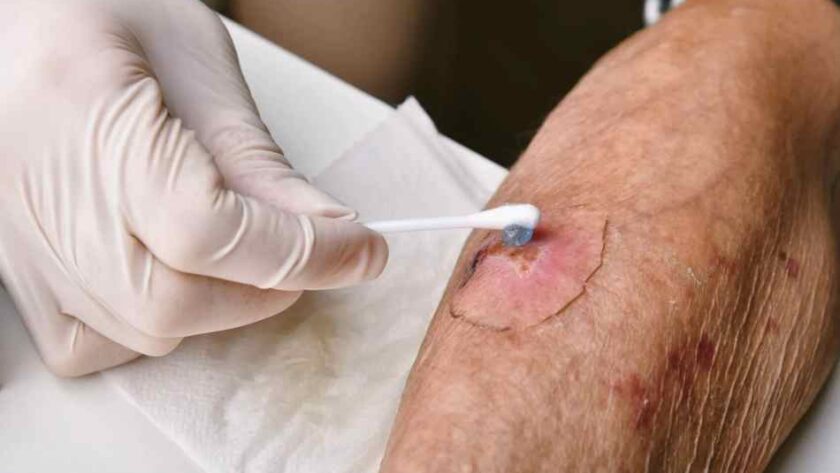
A small cut, scrape, blister, or surgical wound may seem easy to manage, but proper wound care matters. Keeping the area clean, protecting it from further injury, and watching for changes can support normal healing and help you notice problems early.
For people dealing with a wound that is difficult to manage, understanding what professional care involves can also make the process less confusing. Iris Medical Group describes individualized wound care for problems that can be related to traumatic injury, infection, diabetes, or autoimmune disease. The important lesson is that not every wound follows the same healing process.
Start by Understanding the Type of Wound
Before deciding how to care for an injury, consider what caused it.
Common types include:
- Minor cuts and scrapes
- Blisters
- Burns
- Puncture wounds
- Surgical wounds
- Pressure-related wounds
- Wounds associated with chronic health conditions
The cause matters because a simple surface scrape can require very different attention from a deep puncture or a wound that is not healing normally.
When there is uncertainty about the severity of an injury, it is safer to have it assessed rather than assuming that all wounds can be handled in the same way.
Clean the Wound Carefully
For many minor wounds, gentle cleaning is an important first step.
Wash your hands before touching the area. Rinse the wound with clean running water to remove visible dirt and debris. Be gentle rather than scrubbing aggressively.
If something is deeply embedded in the wound, do not try to force it out. A medical professional may need to remove it safely.
After cleaning, gently pat the surrounding skin dry with a clean material.
The goal is to remove contamination without causing additional tissue damage.
Protect the Area
A wound that keeps rubbing against clothing, equipment, or other surfaces may be repeatedly irritated.
A suitable dressing can provide a physical barrier and help keep the area protected.
Change the dressing according to the instructions provided for the specific wound and dressing. If it becomes wet, dirty, loose, or damaged, it may need attention sooner.
Avoid touching the wound unnecessarily. If you need to change a dressing, wash your hands first and keep the supplies as clean as possible.
Watch for Signs That Healing Is Not Going Normally
Monitoring is just as important as initial care.
Pay attention to changes such as:
- Increasing redness around the wound
- Increasing warmth or swelling
- Worsening pain
- Pus or unusual drainage
- Bad odor
- Fever or feeling generally unwell
- Red streaking around the affected area
- The wound becoming larger rather than smaller
- Skin around the wound changing color
These signs do not automatically mean that a serious complication is present, but they are reasons to seek medical advice.
If symptoms are severe or rapidly worsening, seek prompt medical attention.
Do Not Ignore a Wound That Will Not Heal
A wound that remains open or repeatedly breaks down deserves attention.
Healing can be affected by several factors, including circulation, infection, nutrition, pressure, medications, and underlying medical conditions.
Diabetes is one example of a condition that can make wound management more complicated. A person with diabetes should pay close attention to foot injuries and other wounds and follow their healthcare professional’s instructions for monitoring and treatment.
The same principle applies to people with conditions that affect immunity or circulation.
Know When Home Care Is Not Enough
Some injuries should be assessed by a healthcare professional rather than managed entirely at home.
Consider seeking medical attention for:
- Deep or large wounds
- Wounds caused by bites
- Serious burns
- Puncture wounds
- Wounds containing embedded objects
- Significant bleeding
- Wounds showing possible infection
- Wounds that are not improving
- Injuries involving significant tissue damage
If bleeding is heavy and does not stop with appropriate direct pressure, seek emergency medical help.
The location of an injury also matters. Wounds involving the face, eyes, hands, feet, joints, or genitals may require specific evaluation.
Be Careful With Home Remedies
The internet contains many suggestions for treating wounds, but more treatment does not always mean better treatment.
Avoid putting unverified substances on an open wound. Strong chemicals or harsh products can irritate tissue and interfere with healing.
If you are unsure whether a product is appropriate, ask a pharmacist, nurse, doctor, or other qualified healthcare professional.
This is particularly important when the person has an existing medical condition or takes medication that could affect healing or bleeding.
Consider the Person, Not Just the Wound
Two people can have similar-looking wounds but very different healing needs.
A healthcare professional may consider:
- Age
- Medical history
- Diabetes
- Circulation
- Immune function
- Current medications
- Previous wound problems
- The cause and duration of the wound
- Signs of infection
This is why persistent or complicated wounds should not be judged only by appearance.
A wound that looks relatively small can still require medical evaluation if it is not progressing normally.
Keep Track of Changes
For wounds that require ongoing observation, simple documentation can be useful.
Depending on the instructions from your healthcare professional, you might record:
- Date
- Pain level
- Changes in size
- Drainage
- Redness or swelling
- Temperature or fever
- Dressing changes
- Any new symptoms
Photographs may also help show changes over time, but they should not replace professional evaluation when one is needed.
Follow the Treatment Plan
If a healthcare professional provides a wound-care plan, follow the instructions carefully.
Ask questions if you do not understand:
- How often the dressing should be changed
- Which products should be used
- Which products should be avoided
- How the wound should be cleaned
- Whether activity should be limited
- When the wound should be reassessed
Do not change prescribed treatment simply because the wound appears better or worse without discussing the change with the appropriate healthcare professional.
Final Takeaway
Good wound care is not about doing as much as possible. It is about doing the appropriate things consistently while paying attention to changes.
Clean minor wounds gently, protect them from additional injury, keep an eye out for signs of infection or delayed healing, and seek medical attention when the injury is severe or does not improve.
Most importantly, remember that wound healing is affected by the person as well as the injury. A wound associated with diabetes, infection, an autoimmune condition, or another health problem may need a more individualized approach than a minor everyday cut.
When you are unsure whether a wound is healing normally, getting professional advice is safer than waiting for the problem to become more difficult to treat.


