A confident smile plays a significant role in daily social interactions, professional communication, and self-esteem. Over time, factors such as natural aging, dietary habits, minor injuries, or routine wear can lead to tooth discoloration, chips, gaps, or uneven alignment. Many individuals assume that improving the visual appearance of their teeth requires long, painful procedures or unnatural results. However, modern aesthetic dental techniques focus on minimal intervention, structural preservation, and natural-looking transformations.
Navigating the various options for smile enhancement requires understanding how structural aesthetics and oral health work together. Comprehensive dental practices providing personalized treatment plans, such as those evaluating patient suitabilities for cosmetic dentistry at Hughson Dental Implants, show how blending digital smile analysis with conservative restorative techniques restores optimal function while creating balanced visual symmetry. By learning about common aesthetic treatments, the diagnostic planning phase, and long-term care habits, you can approach your dental health decisions with clarity and confidence.
The Interplay Between Oral Health and Smile Aesthetics
It is a common misconception that aesthetic dental care is purely superficial. In reality, the visual appeal of a smile is deeply connected to underlying oral health, bite functionality, and structural integrity.
Why Functionality Comes First
Before modifying the appearance of any tooth, the underlying foundation—including the jawbone, gum tissue, and enamel strength—must be healthy and stable:
- Bite Alignment: Uneven pressure caused by misaligned or missing teeth leads to premature enamel wear, tooth chipping, and jaw joint strain. Correcting structural alignment preserves both function and appearance.
- Gum Tissue Health: Healthy, firm pink gums provide the essential frame for your teeth. Treating gum inflammation (gingivitis) or recession is necessary before undergoing visual enhancements.
- Enamel Integrity: Structural decay or weak enamel must be treated first to ensure that any aesthetic overlays or bonding materials adhere securely over time.
Core Categories of Aesthetic Dental Care
Modern aesthetic treatments range from simple surface stain removal to comprehensive structural adjustments. Understanding these core modalities helps you determine which approach aligns best with your personal goals.
1. Professional Teeth Whitening
Over time, dark liquids like coffee, tea, and red wine, along with natural aging, cause yellowing deep within the tooth enamel. Professional whitening utilizes regulated concentrations of peroxide-based gels activated by specialized light sources to break down deep organic stains without weakening the protective enamel structure.
2. Direct Composite Bonding
Composite bonding is a quick, minimally invasive solution for small chips, subtle gaps, or minor surface irregularities. A tooth-colored composite resin is applied directly to the enamel, shaped by hand to match natural contours, and hardened with a curing light in a single appointment.
3. Micro-Thin Porcelain Shells (Veneers)
For persistent discoloration, worn edges, or noticeable spacing across multiple front teeth, custom porcelain shells offer a durable, stain-resistant surface. These wafer-thin ceramic covers bond permanently to the front of prepared teeth, mimicking the light reflection and translucency of natural enamel.
4. Clear Alignment Therapy
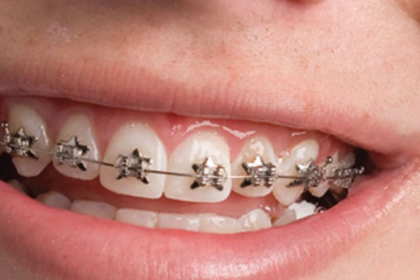
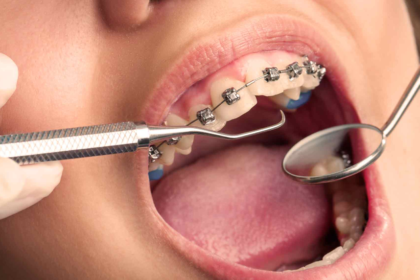
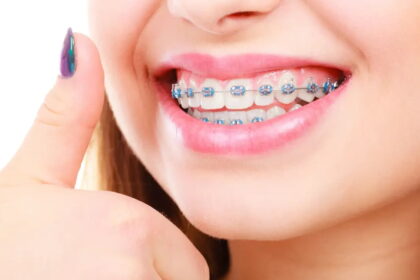
Clear, removable aligners offer a discreet alternative to traditional metal braces. By applying gentle, continuous pressure over time, clear aligners shift crooked or overcrowded teeth into proper position, improving both bite function and visual symmetry.
What to Expect During the Assessment and Planning Phase
Achieving a comfortable, natural-looking result relies on thorough diagnostic planning. Modern smile design is a collaborative, step-by-step process.
Step 1: Comprehensive Oral Health Examination
The process begins with a detailed checkup. X-rays, digital scans, and gum measurements are gathered to verify that your mouth is free of active decay, infection, or structural instability.
Step 2: Digital Facial and Dental Mapping
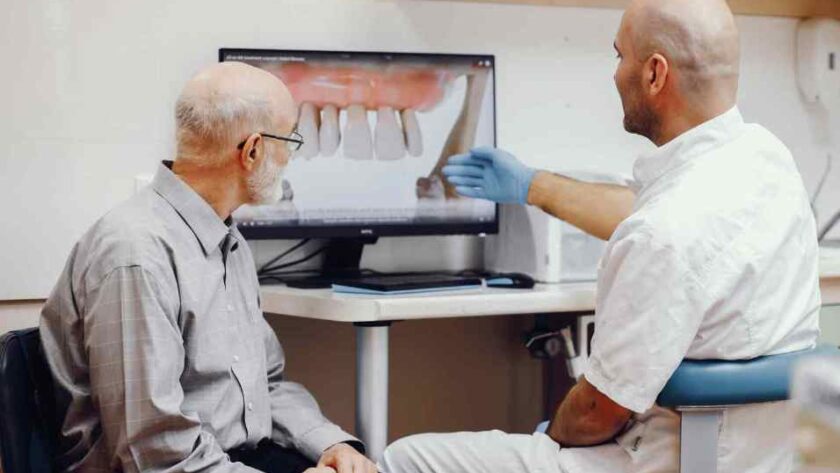
High-resolution photography and 3D digital impressions map the relationship between your teeth, lips, gumline, and facial structure. Clinicians analyze facial symmetry and lip movement to ensure the proposed tooth shapes and shades fit your unique facial features naturally.
Step 3: Mock-Up and Treatment Design
Before any physical changes are made to your teeth, a temporary composite model or digital simulation is created. This allows you to preview the proposed shape, length, and shade of your new smile and request adjustments beforehand.
Essential Everyday Habits to Preserve Your Smile
Whether you undergo professional aesthetic treatments or simply want to keep your natural teeth in peak condition, consistent daily care is essential for maintaining a bright, healthy smile.
Practice Diligent Plaque Control
- Brush Thoroughly Twice Daily: Use a soft-bristled toothbrush and non-abrasive fluoride toothpaste to gently remove plaque along the gumline without scratching enamel or restorative materials.
- Floss Every Single Day: Clean between teeth using dental tape, unwaxed floss, or an interdental brush to prevent hidden decay and keep gum tissue healthy.
- Incorporate Antibacterial Rinse: An alcohol-free mouthwash helps neutralize harmful oral bacteria without drying out delicate oral tissues.
Protect Enamel from Physical and Chemical Wear
- Limit Acidic Beverages: Frequent consumption of soda, citrus juices, and sports drinks erodes surface enamel, making teeth more susceptible to staining and sensitivity.
- Avoid Using Teeth as Tools: Opening packaging, biting tape, or chewing on pen caps creates micro-cracks in both natural enamel and dental restorations.
- Wear a Night Guard for Teeth Grinding: If you clench or grind your teeth during sleep (bruxism), a custom night guard cushions force and prevents nocturnal fracturing.
Setting Expectations: Realism and Longevity
Investing time into your smile requires a clear understanding of treatment lifespans and maintenance requirements.
- Whitening Longevity: Professional whitening results typically last from 6 months to 2 years, depending on your dietary habits and tobacco avoidance. Touch-up trays help maintain brightness over time.
- Restoration Lifespan: Composite bonding generally lasts 3 to 7 years, while high-quality porcelain restorations can last 10 to 15 years or longer when supported by strong hygiene habits.
- Routine Cleanings: Professional dental cleanings every six months allow your hygiene team to polish surface stains, monitor bonded margins, and catch minor issues early.
Core Summary Checklist for Smile Enhancement
- Prioritize Health First: Ensure gums and underlying tooth structures are healthy before starting any visual or cosmetic adjustments.
- Choose Conservative Solutions: Explore minimally invasive treatments like direct bonding or clear aligners that preserve your natural enamel.
- Commit to Daily Protection: Brush, floss, wear a protective guard if you grind your teeth, and maintain routine checkups to protect your investment.